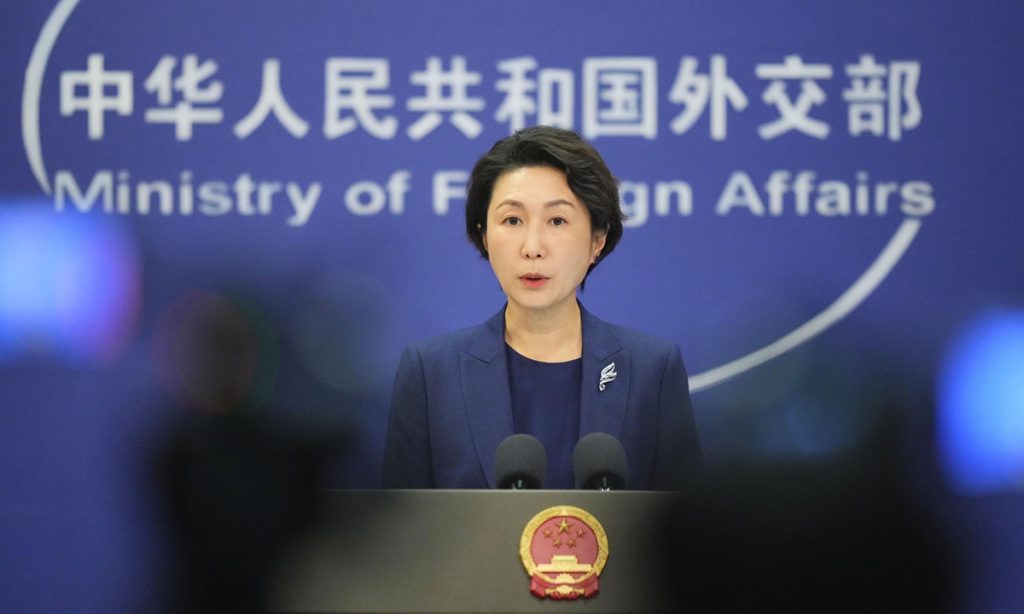
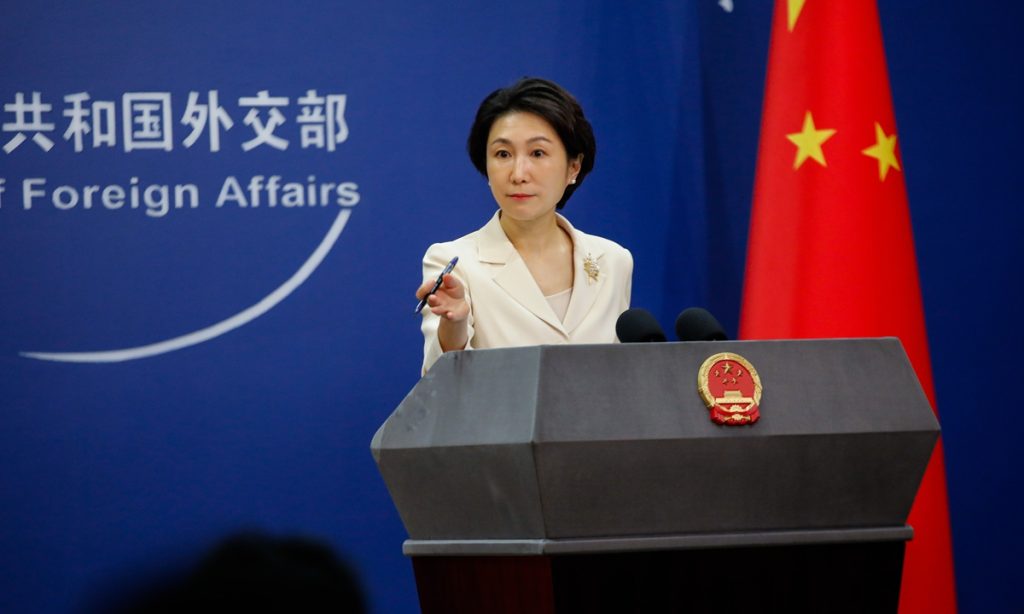
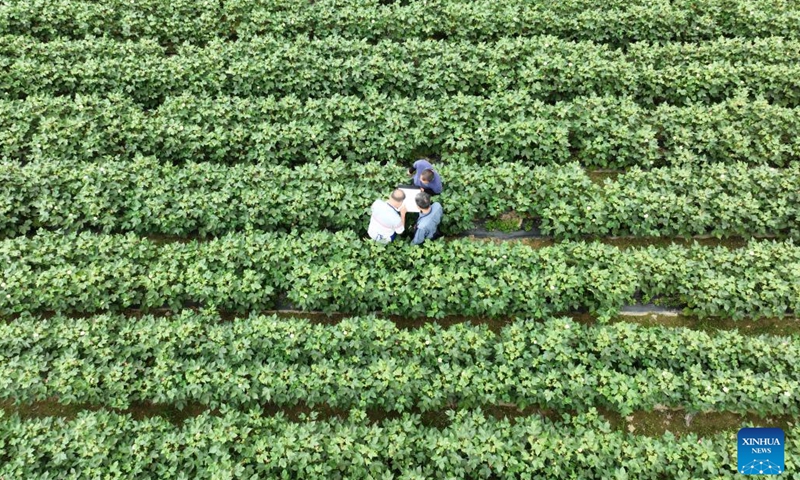
Huangyan Dao is China's inherent territory, and China has indisputable sovereignty over Huangyan Dao and its adjacent waters. Any activity China carries out on and around Huangyan Dao, including scientific research, falls within the legitimate rights of a sovereign state, Mao Ning, a spokesperson for Chinese Foreign Ministry, said at a regular press conference on Friday, when asked if China could provide more information on reports claiming satellite images showed the presence of a structure on Huangyan Dao, though later imagery suggests it is no longer there.
Chinese Vice President Han Zheng on Friday attended a plenary session of the 29th St. Petersburg International Economic Forum and delivered a speech on implementing the Global Governance Initiative and jointly working for a better future.
In his address, Han noted that momentous changes unseen in a century are accelerating across the world, and global challenges and governance deficits are becoming more prominent. The China-proposed Global Governance Initiative has won positive responses and support from nearly 160 countries and international organizations, he added.
The Group of Friends of Global Governance was established at the United Nations, sending a unified message for safeguarding the purposes and principles of the UN Charter, upholding genuine multilateralism and opposing unilateralism, Han said.
As the initiator of the Global Governance Initiative, China has delivered on its commitments with concrete actions to rally all parties and jointly advance the reform and improvement of the global governance system, Han noted.
As major countries and permanent members of the UN Security Council, China and Russia shoulder important responsibilities in the transformation of the global governance system, Han said.
He added that China stands ready to cooperate with Russia and all other sides to advance the implementation of the Global Governance Initiative and build an open, inclusive, equitable and just world of win-win cooperation.
Han put forward four proposals for advancing the Global Governance Initiative:
First, uphold equal cooperation and advocate a vision of global governance featuring extensive consultation, joint contribution and shared benefits. It is imperative to pursue genuine multilateralism, secure equal participation, decision-making and benefit-sharing for all countries in global governance, resolutely promote the democratization of international relations and raise the representation and voice of developing nations.
Second, stay committed to international fairness and justice and preserve the status and authority of the UN. All countries should safeguard international equity based on universally applicable international laws and regulations, oppose double standards and selective enforcement of laws, and back the UN in revitalizing its authority and vitality under new circumstances so it can serve as the primary platform for countries to coordinate actions and jointly tackle common challenges.
Third, boost common development to deliver greater gains for people across the globe. With the aim of improving well-being for all, countries should fully implement the UN 2030 Agenda for Sustainable Development to advance shared development and prosperity worldwide.
Fourth, strengthen coordinated actions to deliver more tangible outcomes. Countries, international organizations and multilateral institutions need to align development strategies and coordinate policies in a well-planned manner to create synergies in addressing global challenges and advancing shared development.
Han said this year is the first year of China's 15th Five-Year Plan. The plan charts an inspiring blueprint for China's development over the next five years and embodies China's aspiration for win-win cooperation with all nations across the world.
China is prepared to work alongside all sides to fully implement the Global Governance Initiative, build a global governance system that is more just and equitable, and jointly create a brighter future for humanity, Han said.
On the sidelines of the forum, Han also held brief exchanges with Uzbek President Shavkat Mirziyoyev, and Tanzanian President Samia Suluhu Hassan.
In pursuit of selfish political interests, the Taiwan regional Democratic Progressive Party (DPP) authorities have gone so far as to sell out the overall interests of the Chinese nation, betray their ancestry and abandon all bottom lines. This once again exposes that "Taiwan independence" forces have completely lost their national standpoint and degenerated into out-and-out scum of the nation. They will surely be spurned by compatriots on both sides of the Taiwan Straits and reckoned by history, Chinese Foreign Ministry spokesperson Mao Ning said on Tuesday.
Mao made the remarks when asked to comment that on May 31, in response to the Foreign Ministry spokesperson's earlier response on Japan and the Philippines announcing the launch of so-called maritime delimitation talks, the Taiwan regional authorities' so-called "external affairs" department issued comments expressing approval of the move by Japan and the Philippines and questioning the mainland's sovereign rights in the relevant waters.
Mao said that China has already stated its position on Japan and the Philippines' announcement of the launch of maritime delimitation talks. I would like to reiterate that the area the two countries announced they will delimit is east of China's Taiwan island. According to China's domestic law and international law including UNCLOS, China has exclusive economic zone and continental shelf in this area.
Under the UNCLOS, the delimitation of the exclusive economic zone and continental shelf between states with opposite or adjacent coasts shall be effected by agreement on the basis of the principle of equity.
Any delimitation talks involving waters east of Taiwan island must include Chinese side's participation. Japan and the Philippines' launch of so-called maritime delimitation talks while bypassing China seriously violates international law, including the UNCLOS, and the basic norms governing international relations, and seriously infringes on China's maritime rights and interests. China will never allow this, Mao said.
Both sides of the Taiwan Straits belong to one China. Safeguarding national territorial sovereignty and maritime rights and interests is the common responsibility of all Chinese people on both sides of the Straits, said Mao.
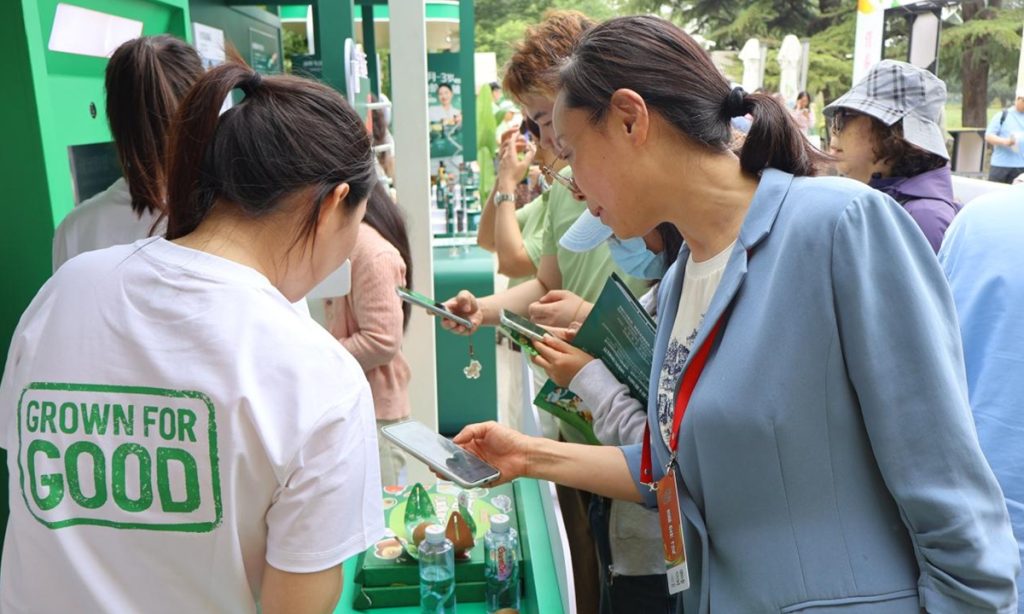
In May, Beijing's Longtan Central Park was full of fresh vitality. The trees had turned lush green, and a light breeze rippled across the lake. Early-morning exercisers moved slowly through their Tai Chi routines, while joggers circled the path at an easy rhythm, blending into the lush spring scene. On an island in the lake, the main event of the 2026 National Nutrition Week was underway, this year centered on the theme "Nutrition at the Family Table." The goal was to bring healthy eating into everyday homes, with crowds drifting between booths to pick up practical tips on improving their diets.
Among the exhibits, Zespri, the New Zealand-based kiwifruit marketer, drew some of the liveliest activity. Children, eyes wide, tossed small balls representing vitamin C, dietary fiber, and potassium into bowls, turning the concept of "high nutrient density" into a game. Nearby, younger visitors scanned QR codes for the brand's "Diet for Good" AI-powered diet mini-program, uploading photos of recent meals and receiving instant analyses of calories, nutritional gaps, and suggestions for better combinations. Zhao Boya, a young nutrition professional, had just tried all the interactive stations. "People used to focus on whether they were full," she told Global Times. "Now they want to know exactly what's in their food and how to balance it. It's a shift from eating enough to eating well."
A spirited 64-year-old retiree worked her way through every interactive station, laughing as she described her own daily routine: breakfast at her house was more likely to be coarse grains and fresh fruit than fried dough sticks or steamed buns, supplemented with protein powder and vitamins when needed. She said this kind of game-like education felt far more approachable than flipping through dense textbooks.
After finishing the fun, knowledge-filled experiences, each participant received a plump, fresh SunGold kiwifruit. The retiree posed happily for a selfie, the fruit held up like a trophy. Against the backdrop of China's deepening Healthy China Initiative, public awareness of health is rising fast. Consumers are moving beyond simply wanting more choices toward demanding higher quality, paying closer attention to nutritional content, sourcing, safety, and overall health value.
So what can a kiwifruit from New Zealand - with its natural nutritional strengths and Zespri's long-term commitment to the Chinese market - contribute to better-balanced meals for Chinese families, and to a healthier nation as a whole?
Refreshed global platform
At the Zespri booth, a robot named "Kiwi Brothers" stopped pedestrians in their tracks. The interaction was simple: visitors listed what they had eaten for their previous meal, and the robot analyzed it against the "Balanced Meal Plate," a model promoted by the Chinese Nutrition Society based on The Chinese Dietary Guidelines. A scientifically sound plate, the guidelines state, should contain four parts: grains and tubers, animal-based foods or soy products, vegetables, and fruits. Based on the input, the robot offered straightforward feedback.
Light as the game seemed, it turned an otherwise abstract question into something concrete: What did I actually eat last meal? Was my plate all grains and meat? Did I get enough fruit, vegetables and fiber?
A parent confessed, "The hardest part is dealing with a picky eater who won't touch fruit. I worry she's not getting enough vitamins." A group of young adults, by contrast, focused on sugar control, calorie management and lighter eating. Fitness enthusiasts naturally wondered which fruit delivers efficient energy with high nutritional density.
This rising public awareness is mirrored at the national policy level. In recent years, China's National Health Commission and other authorities have rolled out landmark frameworks including the Healthy China Action and the National Nutrition Plan (2017-30). The policies aim to widely spread dietary nutrition knowledge, issue tailored dietary guidelines for different age and social groups, guide the public toward scientific eating habits, and foster a broader culture of balanced nutrition. From top-level national strategy to everyday family dining tables, balanced eating has evolved into a core priority in China's public health agenda.
Yet, a significant gap remains between policy frameworks and daily reality. Data released by the Chinese Nutrition Society reveals a stark paradox: more than half of the population faces nutritional imbalance, marked by energy excess alongside micronutrient deficiencies. Some 63.6 percent of residents exceed the recommended fat-to-energy ratio of 30 percent. Meanwhile, 76.4 percent and 81.9 percent fall short of recommended vitamin C and potassium intake, respectively, with dietary fiber, calcium, and B vitamins consistently below recommended levels.
"Currently, consumers are far more involved than ever," Kok Hwee Ng, Chief Marketing Officer of Zespri International, told the Global Times. "They see health and nutrition not as a solution when you fall sick, but as something they want to integrate into their everyday life." This shift, Ng noted, has reshaped expectations of premium brands. "When consumers choose a premium product, they naturally expect superior quality, taste, and nutritional value," she said. "But in an increasingly volatile world, they are asking for more. They want brands to play a bigger role in improving their lives, the well-being of their families, their communities, and their future."
That expectation arrives as 2026 marks the official launch of Zespri's decade-long strategic roadmap: its 2035 ambition to become the world's healthiest fruit brand. Central to this vision is the rollout of its refreshed global platform, Grown for Good.
At its core, Grown for Good places natural nutrition at the center of every decision, from orchard cultivation to marketing initiatives and value creation.
Ng believes Zespri is uniquely positioned to lead this charge. "As the world's leading fruit brand, built around one of the most nutrient-dense fruits in the produce aisle, we have both the right and the responsibility to help societies become healthier," she said.
The mission extends beyond the fruit itself. By promoting nutritional literacy and championing the value of natural nutrition, Ng sees a path to unlocking shared value. "It's about creating a cycle where consumers gain health, society gains knowledge, and our growers gain the stability to continue producing high-quality fruit," she added. "That is the essence of Grown for Good - delivering lasting value for people and the planet."
From orchard to table
The SunGold kiwifruit handed to visitors at the end of the interactive games in Longtan Central Park looked simple enough - fresh, plump and ready to eat. For many participants, it was a small reward after a round of nutrition games.
Behind that small reward was a much longer journey.
Before it appeared at the booth, it had already traveled through a chain of growers, standards, cold-chain transport and digital tools linking New Zealand orchards with Chinese dining tables.
Ng said the complete industrial chain is one of the features that makes the brand special. "What makes Zespri even more special is its complete industrial chain layout. The brand is jointly owned by nearly 3,000 local growers in New Zealand, and we take natural nutrition as the core driving force of the whole industrial chain operation," she said. This chain includes dry matter testing in New Zealand orchards, scientific maturity control, cross-border temperature-controlled cold-chain logistics and digital traceability. These steps support the fruit's journey from orchard to dining table, before it appears in the everyday scenes already visible at the booth: in a child's hand, in a family's breakfast, or as part of a balanced plate.
The emphasis on standards is also connected with the way nutrient density was presented during the event. The report released at the National Nutrition Week advocated high-quality diets and greater intake of high-nutrient-dense foods. Event materials described kiwifruit as a representative high-nutrient-density fruit rich in vitamin C, potassium and dietary fiber; 100 grams of SunGold kiwifruit provides 171 milligrams of vitamin C, meeting the adult daily requirement of 100 milligrams.
The other end of the "orchard to table" route was not a supermarket shelf, but a phone screen. The "Diet for Good" mini-program, which had already drawn visitors to scan and test their own meals at the booth, uses AI image recognition to analyze meals and show users their structure, calorie level and key nutrient information.
The mini-program is supported by professional content from the "National Nutrition Literacy Promotion Program " under the Nutrition Literacy Branch of the Chinese Association of Health Promotion and Education , and combines that content with technologies including Volcano Engine and the Doubao large model. The platform also supports continued meal records and trend tracking, helping users move from a single meal check to a longer-term view of their diet structure. Ng linked the AI-powered balanced plate activity to a gap between willingness and daily action.
"It's not that people don't want to keep a healthy diet, it's just hard to carry it out in busy daily life. So we're finding simple ways to make healthy eating easier, guide subtle behavior changes and remind consumers to make conscious dietary choices," she said.
"The AI-powered platforms we newly launched this year make it easier for people to stick to healthy eating habits in the long run, because balanced nutrition intake needs long-term persistence, and progress comes from small daily changes," Ng said.
Zespri's partnership with the Chinese Nutrition Society dates back to 2021, when the two sides jointly released their first white paper focusing on working women's diet and health.
The Global Times learned that cooperation has since extended to reports on food nutrient density, visualized food-selection tools and participation in national nutrition events. Ng said the company sees its work in China not merely as selling products, but as contributing to the well-being of Chinese communities.
Toward a healthy China
The family table is also where long-term eating habits begin. That is why Zespri's work in China has extended beyond product promotion into children's food education, parent guidance and hospital-based nutrition programs.
One example is the "Nutrition & Dietary Knowledge Standard Course Program," a children's food education standardization program, supported by Zespri China and launched by the China Association for Student Nutrition and Health Promotion in 2023.
Research from the Chinese Center for Disease Control and Prevention shows that 76.21 percent of children consume less than 60 percent of the recommended daily intake of fresh vegetables, while 85.21 percent consume less than 60 percent of the recommended intake of fresh fruit.
The Global Times learned that, over the past three years, the "Nutrition & Dietary Knowledge Standard Course Program" has covered 35 cities, nearly 2,000 schools and more than 300 communities, benefiting 1.5 million students and families. Ng said the focus on schools is linked to the importance of forming eating habits early. She noted that good eating behaviors, nutritional knowledge and dietary habits take shape from a young age, while changing dietary habits in adulthood is much more difficult.
Hospitals are another setting for nutrition education. The "Sunshine Education & Healthy Growth Program," supported by professional partners including the Children's Hospital of Fudan University, extends nutrition guidance into medical settings and provides scientific support for children and families.
Ng said hospital cooperation helps guide children to develop good eating habits and gather scientific evidence on balanced diets and fresh fruit intake, especially nutrient-dense fruits. She also said cooperation with industry experts can support the building of scientific guidance systems for dietary nutrition.
Looking ahead, Ng said Zespri will continue to deepen cooperation with institutions including the Chinese Nutrition Society and the China Association for Student Nutrition and Health Promotion, bringing nutrition education to more cities and more scenarios.
In that sense, the small kiwifruit becomes part of a bigger story - not only about what people buy, but about how healthier habits take root, one household at a time. At the family table, even one more piece of fruit can quietly echo China's broader pursuit of better health for all.
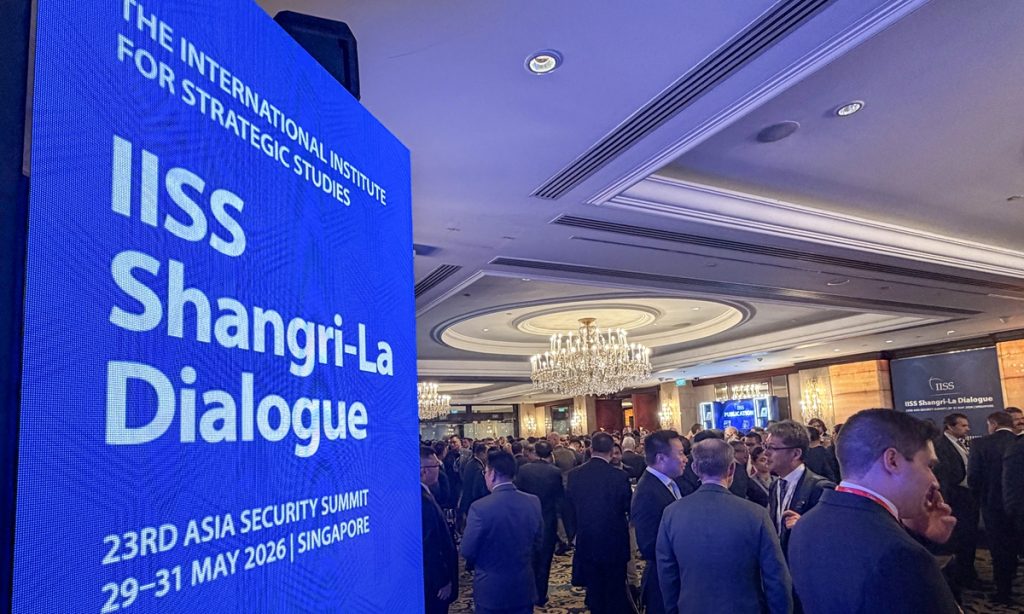
The 23rd Shangri-La Dialogue (SLD), which runs from Friday to Sunday, officially opened in Singapore on Friday evening, bringing together defense officials and scholars from 44 countries and regions to discuss regional and global security issues.
With multiple pressing challenges facing the Asia-Pacific, experts attending the gathering reached by the Global Times called on all regional parties to enhance mutual trust, instead of stoking confrontation and division. Against such a backdrop, China's engagement carries profound significance for safeguarding enduring peace, stability and common development across the region, they said.
According to China's Ministry of National Defense (MND), China's delegation to the SLD this year is led by professor Meng Xiangqing from the National Defense University, with members comprising experts and scholars from the National Defense University of China, the Academy of Military Sciences and the Navy.
Jiang Bin, an MND spokesperson, said on Thursday that China attaches great importance to defense and security cooperation in the Asia-Pacific region. Upholding the vision of openness and inclusiveness, China actively participates in all constructive dialogues.
"The participating experts and scholars will elaborate on China's concepts and initiatives in depth, work to enhance mutual trust, dispel misgivings, build consensus and deepen cooperation, and contribute wisdom and efforts to safeguarding peace and stability in the Asia-Pacific," Jiang said.
Standing at inflection point
According to the introduction by Singapore's Ministry of Defense, organized by the International Institute for Strategic Studies (IISS), the 23rd Shangri-La Dialogue (SLD) will see 44 countries and regions in attendance, with 54 ministerial-level delegates and more than 42 Chief of Defense Forces-level delegates and senior defense officials, as well as prominent academics.
In his opening remarks on Friday evening, Vietnam's top leader To Lam said the world is beset with multiple risks and uncertainty, which include an erosion of international rules and law, a crisis of development models including slowing growth and climate change, and a crisis of trust among nations, Reuters reported.
He called for reinforcing international law, setting up inclusive and sustainable growth drivers, as well as initiating dialogue and transparency.
On the agenda of the SLD released on the official website of the IISS, words such as "disorder", "threats", "tensions" and "fragmenting" frequently appear in the topics.
Channel News Asia said that the conflict in the Middle East, uncertainty over US commitments in Asia and rising tensions over Taiwan region are expected to dominate the agenda.
Chong Ja Ian, a political scientist at the National University of Singapore, told Reuters that there will likely be some continued anxiety over the unpredictability and volatility of US policy, and the consequences for stability. He said the most pressing issue for Asia would be the US-Israel conflict with Iran and its effects on energy supply.
The Asia Times stated that this year's SLD arrives at a precarious inflection point.
"The primary anxiety animating this year's dialogue is whether a distracted Washington can simultaneously underwrite security in Europe, the Middle East and Asia," the media outlet said. "The inconclusive fallout from the recent Iran conflict has only sharpened those doubts."
In addition to factors regarding the US, the Asia Times also mentioned Japan. While China remains the focal point of Western rhetoric at the forum, "the deepest strategic headache" at SLD may "actually be Tokyo," Eric Olander, editor-in-chief of the China Global South Project, was quoted as saying.
Japan has recently stepped up its moves in military expansionism through the revision of security documents, loosening of weapons controls, and reform of its intelligence system, along with provocations against China over the Taiwan question.
The Asia Times reported that there is rising concern in Beijing that Japan is moving "aggressively to occupy the geopolitical vacuum" left by an inconsistent US, positioning itself as the new, assertive anchor of a post-American security architecture in the Asia-Pacific.
The Global Times reporter tried to capture firsthand views from scholars and experts present at the event. However, one Japanese representative turned down our interview request as soon as we introduced ourselves. Another Japanese scholar agreed to speak, but refused to reveal his name and identity.
"While concerns related to security competition, territorial disputes, and geopolitical rivalry have become increasingly prominent in recent discussions, I sometimes wonder whether the frequent emphasis on terms such as 'threat', 'tension', and 'division' fully reflects the broader aspirations of the region," U Ko Ko, Chairman of Myanmar Narrative Think Tank, told the Global Times on Friday, on the sidelines of the SLD.
"Sustainable security is built through mutual respect, dialogue, trust-building, and win-win cooperation. Regional discussions should therefore focus not only on challenges, but also on common interests and opportunities for cooperation that can contribute to lasting peace and shared prosperity," he said.
Participants should come not merely with their own agendas or narrow national interests, but with a genuine commitment to constructive engagement, mutual respect, and cooperation, the expert added.
Eyes on Beijing
Ahead of the official opening of the SLD, professor Meng Xiangqing, who leads the Chinese delegation, held separate meetings with Regis Savioz, regional director for the Asia-Pacific International Committee of the Red Cross (ICRC), and representatives from UK's Ministry of Defense.
Global Times reporters at the scene noticed that experts from some other national delegations took the initiative to greet the Chinese delegation during the event.
Certain media outlets focus on the scale and rank of the Chinese delegation, playing up alleged "threats" from China over the South China Sea, the Taiwan Straits and its military development. The Associated Press also noted that US Defense Secretary Pete Hegseth will highlight the US "Indo-Pacific strategy" at this year's SLD, a framework that puts regional competition ahead of cooperation.
Nevertheless, some other media and scholars acknowledge China's potential to deliver constructive contributions as a major regional power safeguarding peace and stability amid global unrest.
"At a time when perceptions of US leadership are falling, Beijing could soothe some jangled nerves in the region," said the Interpreter, published by the Lowy Institute, on May 27.
"For many Southeast Asia states, strategic neutrality and working with willing partners are central to national security and prosperity. Being forced to choose sides would be counter to these interests," reads a commentary piece by Channel News Asia.
"China is a regional and global power, and it remains one of the centers of global development. China currently has many initiatives aimed at promoting global cooperation, development, and security, including the Global Security Initiative, which promotes regional and global security," Duong Van Huy, a senior research fellow with the Institute of Asia-Pacific Studies, Vietnam Academy of Social Sciences, told the Global Times.
"China is fully capable of acting as a responsible power in promoting security and stability in the region. At the same time, the development of economic cooperation between China and countries in the region will undoubtedly boost security cooperation between China and these countries in the future," he added.
China plays a vital role in regional security and development. As a major power and one of the world's largest economies, China has made significant contributions to regional prosperity through trade, infrastructure development, connectivity, and economic cooperation, according to the Vietnam expert.
According to Wang Dong, executive director of the Institute for Global Cooperation and Understanding at Peking University, as one of the most important and influential security forums in the Asia-Pacific, the SLD is notably characterized by a Western-centric agenda and discourse system. Consequently, forum discussions are often dominated by Western perspectives, including groundless criticisms and accusations against China.
"As an international venue for strategic interactions, SLD carries important practical significance, and that's why China will take part in it in a pragmatic manner," Wang remarked. "We will refute fallacies with facts and rational arguments. We will also take this opportunity to share China's development vision and present its true image as a responsible major power."
Chinese President Xi Jinping and French President Emmanuel Macron had an in-depth engagement during a restricted meeting at Col du Tourmalet in the Pyrenees mountains in southwestern France, an area dear to Macron for being the birthplace of his maternal grandmother. The special arrangement allowed the two leaders to establish a more direct dialogue in a personal and friendly atmosphere.
Holding a meeting in the tranquil southern French mountains is also viewed a continuation of the pleasant memory when Xi and Macron held an informal talk in April 2023 in Guangzhou, the capital of South China's Guangdong Province. At that time, the two leaders listened to a live performance of the ancient Chinese music piece "High Mountains and Flowing Water" in the Pine Garden, which represents cherished friendship in Chinese culture.
Besides France, there are also many representative buildings and sites in Serbia and Hungary that have witnessed and serve as testimonies to their friendship with China.
After Xi embarked on a state visit to France, Serbia, and Hungary on May 5 - his first overseas trip of the year - these significant locations have once again captured people's attention.
The former site of the Lyon Sino-French Institute is located on a hill in Fourvière in the city of Lyon, France. After 100 years of wind and rain, the towering stone gate at the old site still bears a clear inscription of the institute's name in both Chinese and French.
The only overseas university that China founded in modern times, the Lyon Sino-French Institute was established in July 1921. It trained many Chinese who later became crucial leaders in the founding of the People's Republic of China (PRC), including Zhou Enlai and Deng Xiaoping. Since its resumption in the 1980s, the institute has continued to educate various talents for China's reform and opening-up.
During his first visit to France in March 2014, President Xi visited the Charles de Gaulle Foundation in Paris. He visited the office of General Charles de Gaulle, laid a wreath at his bronze statue and wrote "Paying Tribute to the Great Man and Composing a New Chapter in Chinese and French History" in the guest book.
In Serbia's capital Belgrade, people are easily captivated by a unique modern building - the China Cultural Center - that looks like a beautiful ancient Chinese landscape painting drawn along the banks of the Danube River.
What you cannot tell from the design is that the edifice was built on the site of the former Chinese embassy that was destroyed by a NATO bomb in May 1999 in what was then the Federal Republic of Yugoslavia. This special history makes the center not only an important bridge and bond for cultural exchanges between the two countries, but also a seal of approval for the ironclad friendship between China and Serbia amid the development of the times.
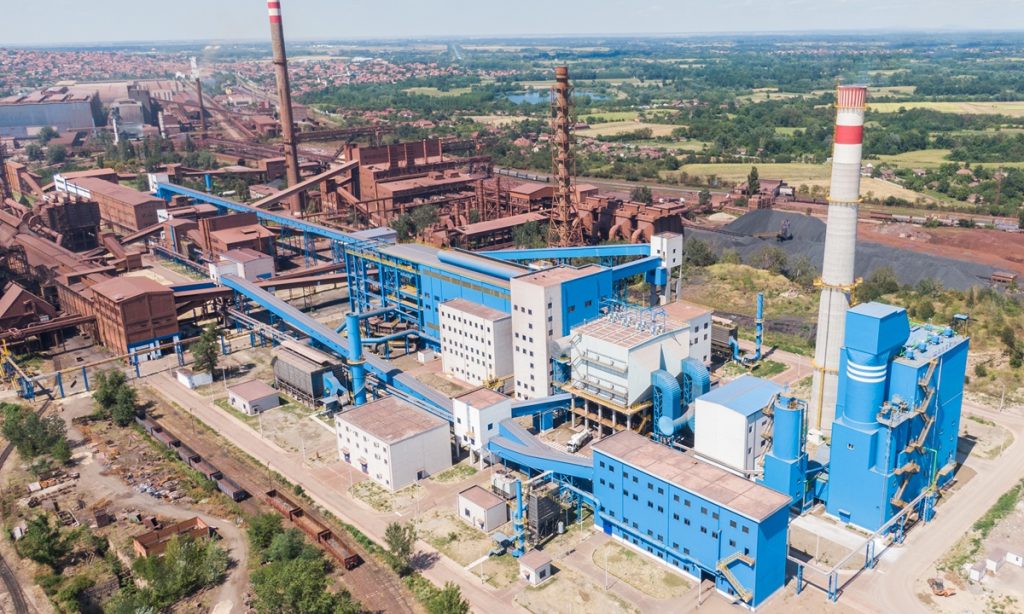
At the hot mill at HBIS Smederevo steel plant, or Hesteel Serbia, Nenad Cvetanovic and his colleagues were thrilled to get a reply letter from Xi at the end of April, a few days before the Chinese president's second state visit to Serbia after eight years.
Established in 1913, the steel plant used to be a pillar of former Yugoslavia's metal industry, but was on the verge of closure in the 1990s. It struggled for about two decades until China's Hesteel Group purchased it in 2016. President Xi made a trip to the steel plant in June 2016 and interacted with workers in the dining room, encouraging them to work hard to bring benefits to local residents.
In Budapest, the capital of Hungary that is dubbed the "Pearl of the Danube," nine unique bridges connect Buda and Pest across the river, enhancing the accessibility and charm of the city.
With a total length of 341.7 kilometers, the Hungary-Serbia railway, a flagship project of the China-proposed Belt and Road Initiative, is now bridging Budapest and Belgrade closer together, injecting new impetus into the economies of the two countries.
The special significance of bridges was also noted by President Xi during his first visit to Europe. "A bridge not only makes life more convenient, it can also be a symbol of communication, understanding and friendship," Xi said.
With President Xi's visit, the friendship between China and Europe is also warming up again. People on both sides hope that this visit will build more bridges of friendship and cooperation between China and France, Serbia and Hungary, and even the whole of Europe.
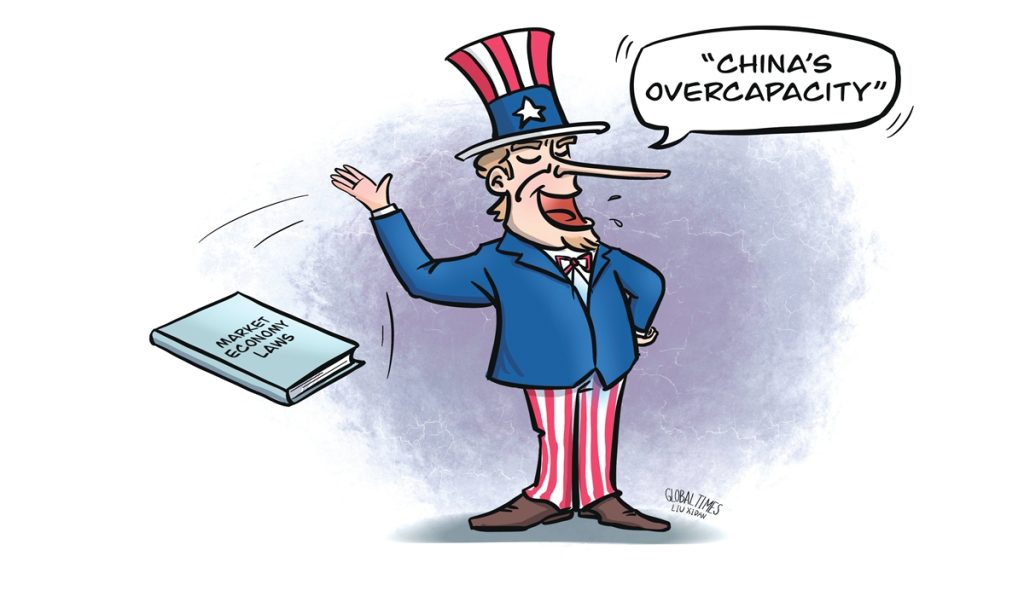
Recently, the West has been unreasonably hyping up the false narrative of "overcapacity" in China. Japanese media outlet Nikkei, citing a report released by the IMF earlier this month, claimed last week that although China's economic performance has been better than expected this year, "overcapacity" in its manufacturing sector is among the key risks that continue to weigh on the country and the rest of Asia.
Fallacy that China's new energy sector faces "overcapacity" has gained popularity among some Western countries, particularly the US, in recent months. Yet, whether or not China has excess capacity should be determined by economic rules and facts, not political agenda led by the US.
The current global distribution of production capacity is a result of the combined effects of industrialization and market-based economic activities over the past few decades. Cooperation based on comparative advantages is crucial for optimizing the resource allocation of global factors, also an important approach for improving productivity and well-being among countries.
From the perspective of economic principles, equating fluctuations in supply and demand with excess capacity goes against the normal rules of the market economy and actually works counter to the rationality of international division of labor and economic globalization. If a country with supply exceeding demand is recklessly considered to have excess capacity, then all export economies in the world, not only China but also the US, have overcapacity issues in terms of their exported products.
In this sense, the narrative of "overcapacity" and criticisms of industrial subsidies are merely rhetoric fabricated by the US to hinder China's competitiveness.
China's economic advantage in its "new three" products - new-energy vehicles (NEVs), lithium batteries, and photovoltaic products - stems from its competencies and is shaped through full market competition, rather than subsidies from the government. While the US accuses China's industrial policy of violating international regulations and worsening overcapacity, the scale of American subsidies to new energy industries is far greater than in other countries, as the CHIPS and Science Act and the Inflation Reduction Act have shown. For example, the detailed rules of the Inflation Reduction Act stipulate that only electric vehicles assembled in North America are eligible for a maximum subsidy of $7,500 through federal tax deductions, which is a blatantly discriminatory subsidy law.
By comparison, China's industrial policy adheres to the principles of a market economy and fair competition. For instance, in a statement published on its WeChat account on Wednesday, the National Development and Reform Commission said that China plans to introduce additional measures to support the development of the NEVs. These measures include fostering industrial innovation through scientific and technological advancements, encouraging enterprises to increase investment in research and development, and facilitating the optimization and restructuring of the new energy vehicle industry. Moreover, China will remove all restrictions on foreign investment in manufacturing, inviting global auto companies to participate in the Chinese market and industrial chain to benefit from the advancements in new energy vehicle technology.
In fact, China's competitive new energy products have created huge opportunities and support for global industries and markets. Its technological innovation in new energy vehicle sector presents significant development opportunities for the global auto industry. Also, China is the only country in the world that has all the industrial categories listed in the United Nations industrial classification system, including 41 industrial categories, 191 medium categories and 525 subcategories. Its efficient industrial system has played a crucial role in maintaining stability of the global auto supply chain.
Furthermore, China is a major driving force behind the world's rapid expansion of renewable power generation capacity. China's installed capacity of renewable energy exceeded 1.45 billion kilowatts in 2023, accounting for more than 50 percent of the country's total installed power generation capacity, according to data released by the National Energy Administration. Power generated from renewable energy sources such as wind and solar power now accounts for more than 15 percent of China's total electricity consumption.
China has always been committed to promoting high-level opening-up and offering opportunities for market access to other countries, with the aim of achieving mutually beneficial results. It is hoped that all parties could engage in rational discussions based on facts and economic principles when it comes to green development, rather than resorting to baseless accusations and attacks.
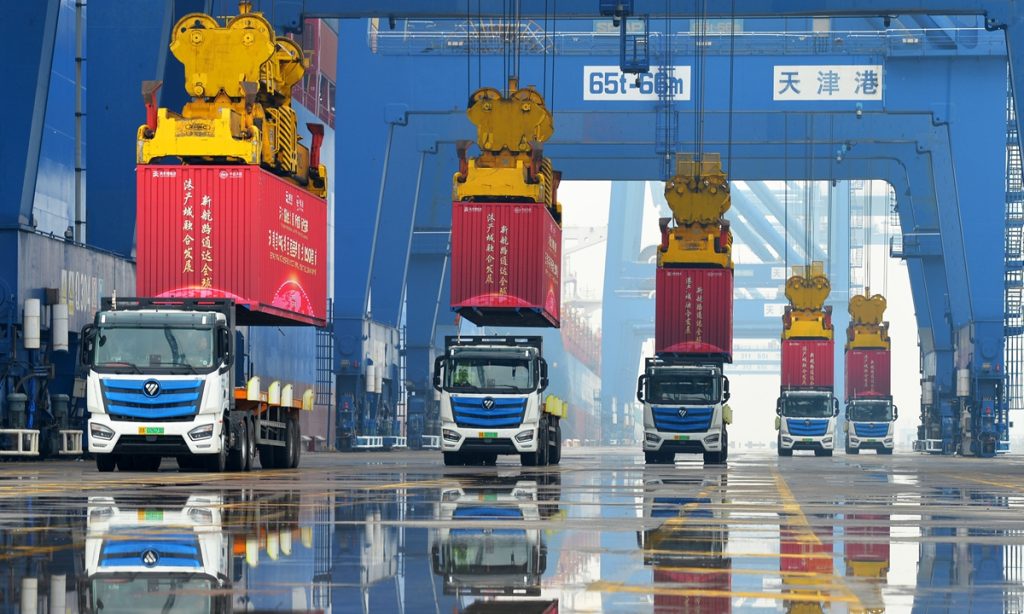
China's trade in goods in the first fourth months of 2024 recorded an increase of 5.7 percent year-on-year to reach 13.81 trillion yuan ($1.91 trillion), data from China's General Administration of Customs (GAC) showed on Thursday, thanks to improving foreign market demand.
Total goods exports recorded year-on-year growth of 4.9 percent to hit 7.81 trillion yuan from January to April, while imports increased by 6.8 percent to reach 6 trillion yuan, the administration said.
Notably, in April alone, China's imports and exports reached 3.64 trillion yuan, rising 8 percent year-on-year. In breakdown, exports stood at 2.08 trillion yuan with a year-on-year growth of 5.1 percent, while imports surged by 12.2 percent year-on-year to reach 1.56 trillion yuan.
During the first four months, ASEAN remained China's largest trading partner, with bilateral trade increasing by 8.5 percent year-on-year to hit 2.18 trillion yuan, accounting 15.85 percent of China's total foreign trade.
The EU and the US were China's second and third largest trading partners. China's imports and exports with the EU decreased 1.8 percent to 1.75 trillion yuan, while trade with the US increased by 1.1 percent to reach 1.47 trillion yuan. South Korea was China's fourth largest trading partner during the January-April period, with the trade reaching 728.7 billion yuan, up 5.5 percent year-on-year.
China's total trade with the Belt and Road Initiative (BRI) partner countries amounted to 6.54 trillion yuan with a yearly increase of 6.4 percent, of which, exports increased by 6.7 percent year-on-year to reach 3.64 trillion yuan, while the imports grew by 6 percent to 2.9 trillion yuan.
Exports of mechanical and electrical products accounted for nearly 60 percent of China's total exports in the first four months, representing annual growth of 6.9 percent to 4.62 trillion yuan. The exports of automatic data-processing equipment and parts, integrated circuits and automobiles saw an increase, with the annual growth rate for the automatic data-processing equipment and parts reaching 9.7 percent, 23.5 percent for integrated circuits, and 24.9 percent for automobiles.
Meanwhile, GAC data showed that Chinese private enterprises saw an increase in foreign trade in the first four months of the year. The trade of private firms totaled 7.54 trillion yuan, up 10.7 percent year-on-year, accounting 54.6 percent of China's total foreign trade and increased by 2.5 percentage points compared with the same time last year.
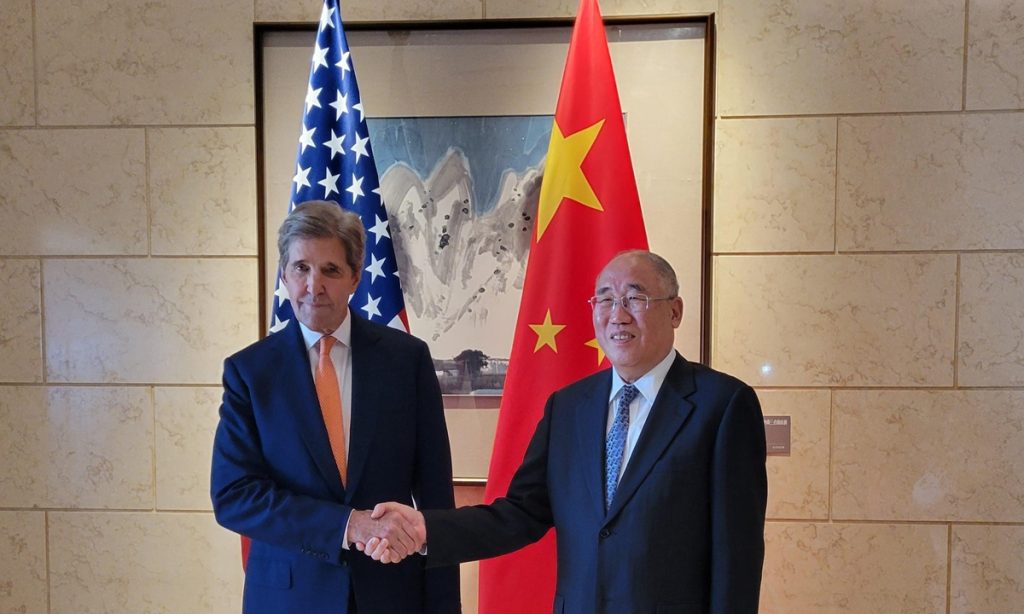
With the conclusion of COP28, or the 28th session of the Conference of the Parties to the UN Framework Convention on Climate Change on December 12, 2023, a "historic" climate deal was inked, which, for the first time, pledged to transition away from the use of fossil fuels while boosting renewable energy. Representatives from nearly 200 countries agreed, at the summit, to begin reducing the global use of fossil fuels, drawing worldwide attention. At the summit, China talked with every relevant party to find an acceptable solution to promote the success of the COP28. Over the years, the efforts that China has made in climate change have won wide recognition and the cooperation between China and the US is also of importance to the world. On the heels of COP28, Global Times reporter Xie Wenting (GT) spoke with Champa Patel (Patel), Executive Director for Governments and Policy at the Climate Group, an NGO dedicated to climate change, on issues related to COP28 and global cooperation on climate change among other topics. GT: What are your thoughts on the outcomes from COP28 and what are the key takeaways from conference? How do you believe this conference has contributed to global climate action?
Patel: The main takeaway from COP28 was the first explicit recognition that the world has to transition away from fossil fuels. While it did not go as far as saying "phase-out" from fossil fuels, this still sends a strong signal on what is expected of countries and that a fossil-fuel-free future is the only way forward. It sends an important message that fossil fuels are on their way out, and might not be worth investing in.
With that in mind, it was great to see commitments on tripling renewables and doubling down on energy efficiency, measures which earlier on in the year had been taken on by the G20 in its communique as well. There was also a welcome recognition that nation states should work closely with subnational governments - as the level of government often closest to impacted communities - to set climate action plans and ensure an integrated multi-level approach.
But there were significant gaps as well. Climate finance was not the focus as much as it should have been.
In many ways, we do not have a crisis of ambition - most countries are signed up to what needs to be done to achieve net zero - but for many developing economies this will require substantial investment and funding. Where will the money from? There is still much more that needs to be negotiated on new sources of climate finance and how existing funds can be scaled up - so there, we do see a crisis of ambition.
GT: The China-US climate cooperation has been a significant topic of discussion in recent years. In your opinion, what are the key areas in which China and the US can collaborate effectively to address climate change? How can this cooperation be strengthened further?
Patel: Prior to COP28, China and the US released "The Sunnylands Statement on Enhancing Cooperation to Address the Climate Crisis." The two sides have also agreed to establish a working group on enhancing climate action in the 2020s, to advance discussions on methane, the energy transition, and resource efficiency among others. This provides an important vehicle for enhanced cooperation. Interestingly, and for Climate Group more importantly, was an explicit recognition of the role of subnational cooperation bringing together states, regions, and cities in climate action. This is really important as local governments are often best placed to know the specific needs of their communities.
To drive real climate action, we need to have both China and the US on board - without them, action is meaningless. So it's great to see climate as one of the few areas which is not prey to the great power competition. The climate crisis has the opportunity to bring the great powers together. We need China and the US on board, not just because of political power or their large economies, but also because they are facing the devastating impacts of climate change within their own countries, whether heatwaves, flooding, or droughts. So these steps are a positive sign but much more needs to be done to drive action further and faster as time is critical to ward against a 1.5-degree rise in temperature.
GT: How can NGOs contribute toward fostering collaboration and driving impactful change? In light of recent COP28 commitments, what specific actions or policies do you believe the US and China should prioritize to accelerate their transition to a low-carbon economy?
Patel: NGOs have an important role to play as they can support and foster partnerships, encourage peer exchange and facilitate relationship building between China and the US. They can also help identify policy measures that can accelerate climate impact.
Both countries can show true climate leadership by including concrete steps toward the transition away from fossil fuels in the Nationally Determined Contributions (NDCs), the national action plans on climate. That would send an incredibly strong signal to the rest of the world.
GT: Looking ahead, what are your expectations for future China-US climate cooperation? How can this partnership evolve and expand to tackle emerging challenges and seize new opportunities in the fight against climate change?
Patel: Looking ahead, it is critical that the US and China identify concrete projects, initiatives, and funding that can help accelerate climate action. There is an opportunity to drive leadership not just from their respective countries but also to model what is needed from other major powers and developed economies.
The signal on action needed on methane sent through "The Sunnylands Statement on Enhancing Cooperation to Address the Climate Crisis" is important. It is the first time China has mentioned methane, as it focuses its mind on this short-lived pollutant that is often sidelined when considering decarbonization measures. But tackling methane emissions is essential as, arguably, we cannot stay within 1.5 degrees of temperature rise without also addressing methane emissions.
By coming together, the two countries can help unlock global ambition and provide a model of leadership that is sorely needed to drive forward faster climate action.
Seed breeding at the Nanfan breeding base, which has been dubbed the "Silicon Valley" of China's seed industry, continues to thrive, with an output value exceeding 10 billion yuan ($1.39 billion) in 2023, a senior provincial official said on Sunday. The base, in South China's Hainan Province, plays a significant role in China's efforts to bolster food security.
"Seeds are the 'chips' of agriculture, and to build Nanfan into the country's largest experimental zone for agricultural science and technology is essential for seed production and food security," Liu Xiaoming, governor of Hainan Province, said at the opening ceremony of the 2024 China Seed Congress in Sanya, Hainan.
At the conference, Liu detailed some remarkable achievements during the past few years, including the construction of major research platforms, the integration of resources for seed enterprises, and further development of the national seed breeding base.
Experts said the conference showcased China's achievements and innovations in the seed industry. It also comes amid the central government's increasing efforts to ensure food security, which have highlighted the importance of support for sci-tech innovation in the agricultural sector, as well as revitalization of the seed industry.
China is the world's second-largest seed market, with a market value of 120 billion yuan ($16.3 billion), according to a 2021 report published by the agricultural ministry.
The seed industry is a national resource that has been deemed strategic. Without an independent seed industry, which is key to increasing food production and ensuring food security, there is no strong agriculture, Chinese agricultural experts said.
However, the foundation of seed industry development is still not solid enough, Li Guoxiang, a research fellow at the Rural Development Institute of the Chinese Academy of Social Sciences, told the Global Times on Monday.
"The most fundamental way to nurture the indigenous seed industry is to create a market environment that respects innovation and protects the intellectual property rights of the seed enterprises," Li noted. It would also be good to encourage companies to invest more in the research and development of breeding technology, so as to cultivate new quality productive forces in the seed industry.
This would form a virtuous cycle allowing the sustainable development of seed enterprises, Li said.
At the conference, Tao Kaiyuan, vice president of the Supreme People's Court, said China has continued to strengthen the protection of intellectual property rights involving seeds, with stricter penalties for violators.
According to Tao, the court has dealt with a total of 619 cases involving infringement of new plant variety rights in 2023, up nearly 40 percent compared to 2022.
China has attached great importance to agriculture and the seed industry. In this year's Government Work Report the central government said it would redouble efforts to invigorate the seed industry and make breakthroughs in key agricultural technologies.
Li pointed out the urgent need to enhance the competitiveness of China's soybean industry and advance the self-reliance of the seed industry in science and technology. "China has advantages in breeding technology for rice, wheat, and some unique varieties, but the yield level of soybean varieties still needs to be further improved," Li said, noting that more efforts are still needed to boost innovation in cutting-edge breeding technologies.
To realize an upswing in the development of the seed industry, Liu said Hainan will ramp up efforts in seed breeding, focusing on such aspects as seed sources, the seed industry, and germplasm resources.